
Sweet Apricot Kernel Milk (杏仁茶): A Taiwanese Winter Remedy for Dry Coughs or Dry Throat
As we move toward the end of the year and into the colder winter months, it’s an easy time to catch a cold or feel run down. The chill in the air always reminds me of a comforting hot drink we often enjoy in Taiwan: sweet apricot kernel milk.
Growing up, whenever I had a lingering dry cough, my mom would make me a warm bowl of apricot kernel milk. It was soothing, gentle, and deeply comforting, one of those simple remedies that made you feel cared for right away.
In Taiwan, apricot kernel milk is a common food we grow up with, and many people know it as a gentle way to support the respiratory system and overall immunity when consumed regularly.
Sweet apricot kernels have many traditional health benefits. They are especially helpful for relieving dryness, such as dry coughs, dry mouth and throat, or dryness in the large intestine. In traditional Chinese medicine, they are known to lubricate the lungs and support respiratory system. This drink is also considered a beauty tonic, as apricot kernels naturally contain oils that help nourish the skin and soften the appearance of fine lines.
Apricot kernels are generally categorized into Northern (bitter) 北杏 and Southern (sweet) 南杏 varieties. The type that is safe for everyday consumption is the Southern, or sweet, apricot kernel. Northern (bitter) apricot kernels have stronger medicinal properties and can be toxic if consumed improperly. Be sure to select sweet (Southern) apricot kernels when making apricot kernel milk.
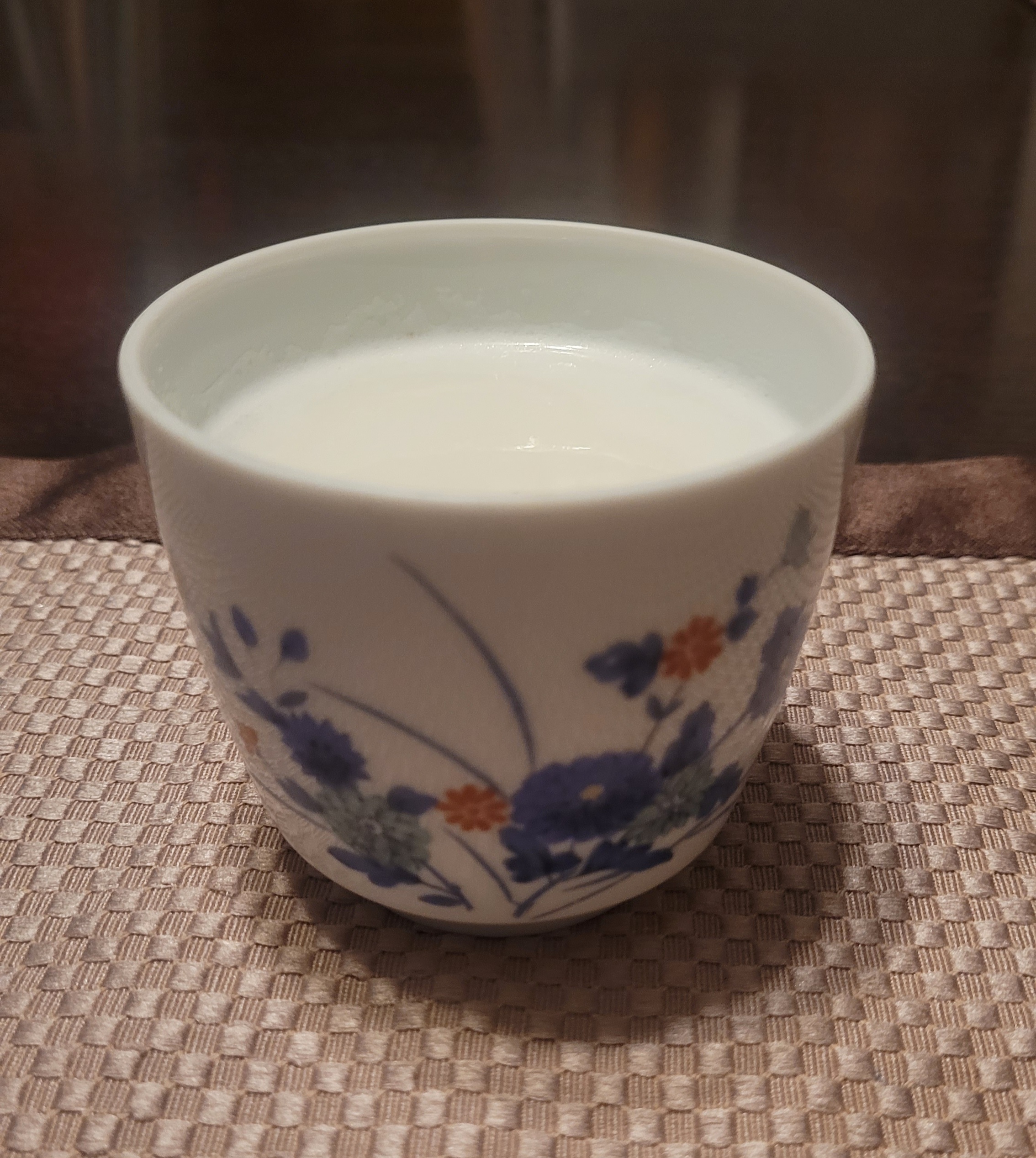
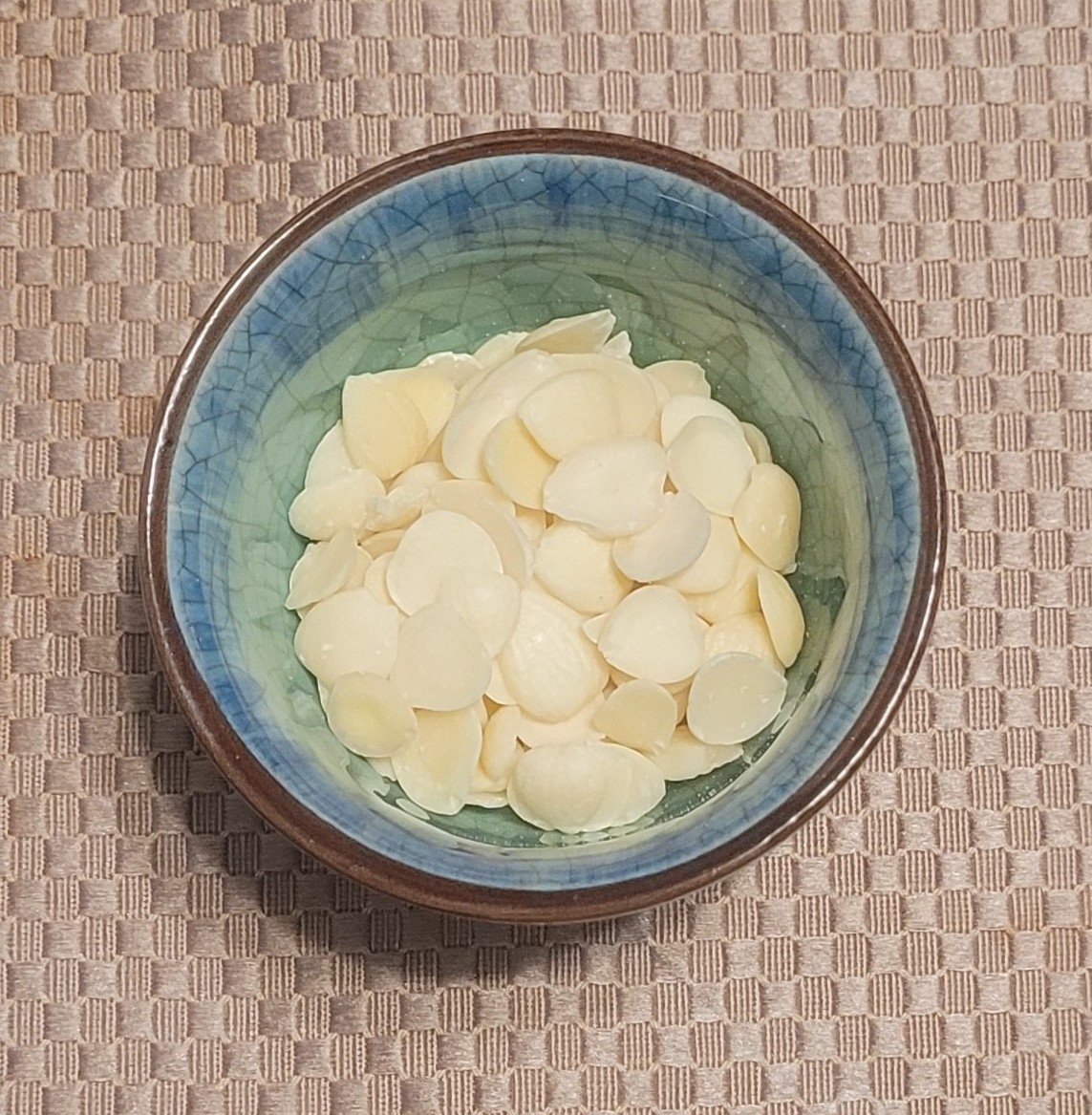
How I Like to Make Sweet Apricot Kernel Milk
You can adjust the proportions to suit your own taste and preferred texture.
Ingredients
Sweet (Southern) apricot kernels: ½ cup
Optional: White rice or sticky rice: 1 tablespoon (for a creamy texture)
Water: 5–6 cups
Rock sugar or honey, to taste (optional)
Instructions
- Rinse the apricot kernels and rice, then soak them together in water for 2–4 hours. You can soak longer if you like, but for those with weaker digestion (a weaker Spleen, in TCM terms), a shorter soak is generally better. Discard the soaking water and give everything a final rinse.
- Blend the soaked kernels and rice with 1 cup of fresh water until smooth. Move straight on to cooking; the raw blend shouldn’t be left to sit.
- Pour the blend into a pot, add 4–5 cups of water, and bring it to a boil. Then cook it on the stovetop or by double-steaming.
- On the stovetop: Reduce to low heat and simmer uncovered for at least 20 minutes, stirring often.
Low heat matters for three reasons:
It prevents scorching. The rice starch and ground kernels sink and stick to the bottom of the pot, and once they scorch, the bitter, burnt taste runs through the whole batch.
It prevents boil-overs. Starchy milks foam up quickly at high heat.
It gives a silky texture. A slow, gentle cook lets the rice break down into a smooth, creamy body.
- Double-steaming (my preferred method): This slower, hands-off method is known as 隔水燉. After bringing the blend to a boil, keep it at a gentle simmer uncovered for about 10 minutes, so any vapors can escape before it goes under a lid.
- Pour the milk into a heatproof bowl and set the bowl in a large pot. Add water to the pot until it comes about halfway up the sides of the bowl.
- Cover the pot and steam over medium heat for 1–2 hours. One hour is enough to cook it through; two hours gives a thicker, creamier result.
Check the water level halfway through and top it up with hot water if needed. Cold water can crack a hot bowl.
Because the milk is surrounded by water, it never boils hard and can’t stick or burn, so there is nothing to watch or stir.
For a silky texture, strain through a fine strainer or cheesecloth. Straining is optional; leaving it unfiltered gives you a heartier drink with more fiber.
Sweeten with rock sugar while it’s hot, or stir in honey once it has cooled slightly. Or enjoy it plain.
If you are pregnant, nursing, preparing this for young children, or have a nut or stone-fruit allergy, check with your practitioner first.
Where to Find Sweet Apricot Kernels
The most reliable place to buy sweet apricot kernels is a Chinese herbal shop. Ask for 南杏 or 甜杏仁. Many Asian grocery stores also carry them in the dried goods section, near the dried fruits and soup ingredients. Be aware that Chinese uses the same word, 杏仁, for both apricot kernels and almonds, so packages are sometimes labeled in English as “south almond” or “sweet almond.” The Chinese characters are the more reliable guide.
Choose kernels that have already had their skins removed (去皮). This is how herbal shops typically sell them: the thin brown skin is taken off, leaving only the pale center of the kernel. The skin is bitter and astringent, and it gives the milk a gritty texture and a darker, muddier color. Removing it is part of what makes apricot kernel milk smooth, sweet, and creamy white. Skinned sweet kernels are flat and ivory-colored.
Fresh kernels smell clean and faintly sweet. Because they are rich in natural oils, they can go rancid over time, so pass over any that smell sharp, stale, or like old cooking oil. Once home, store them in an airtight container in the refrigerator.
Take care when shopping online. Many products sold as “apricot kernels” or “apricot seeds” are bitter kernels marketed as health supplements, and these are the ones that carry real risk. Health authorities in several countries have issued warnings about eating them raw. If you buy online, confirm the label says sweet, 南杏, or 甜杏仁. When in doubt, buy in person, where you can see the kernels and ask the herbalist.