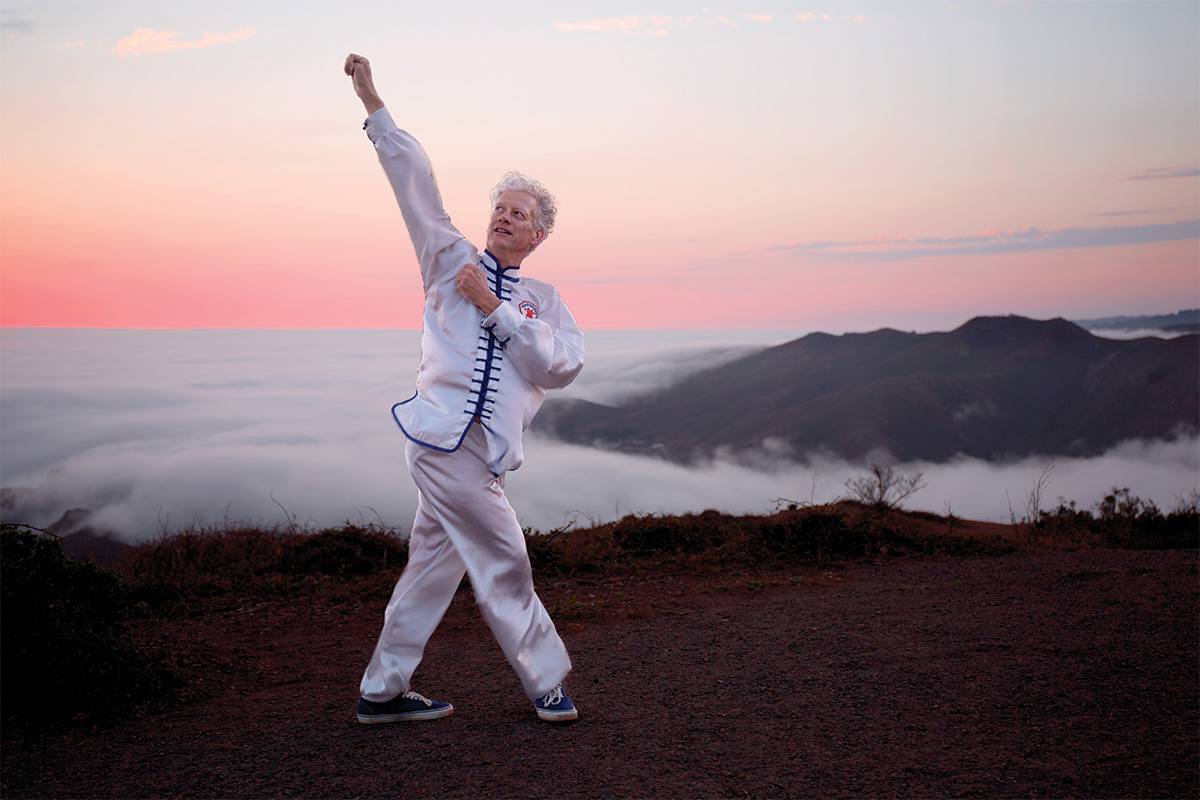
Qigong Classes in San Rafael, California

Vitality. Recovery. Internal Strength.

Qigong is a classical system of internal training that develops breath, awareness, and the body’s underlying energy.

In traditional Chinese practice, Qigong was not separate from martial arts or medicine. It was an essential foundation used to build strength, support healing, and cultivate mental clarity.

At 10,000 Victories, Qigong is taught as part of a complete training system—refining the internal qualities that support movement, recovery, and long-term health.

View Class ScheduleStart Your Enrollment Conversation

What Qigong Develops

Through consistent practice, Qigong training helps develop:

Circulation & Vitality
Improve blood flow, oxygenation, and overall energy levels.

Nervous System Regulation
Calm stress responses and build a more resilient, balanced baseline.

Internal Strength & Structural Support
Strengthen tendons, fascia, and posture through coordinated movement and breath.

Clarity & Focus
Develop stable attention and mental calm through integrated practice.

Recovery & Longevity
Support the body’s natural healing processes and long-term sustainability.

Qigong as a Foundational Practice

In classical training, Qigong was considered essential.

It supported:

  • Martial arts training by developing internal strength and coordination
  • Healing practices by improving circulation and energetic function
  • Meditation by stabilizing attention and strengthening the body

Without sufficient internal development, higher levels of training are difficult to sustain.

Qigong provides that foundation.

Yi Jin Jing Qigong (Muscle–Tendon Changing Classic 易筋經)

A classical training system, traditionally attributed to Bodhidharma (達摩) over 1,500 years ago.

Yi Jin Jing is one of the most complete methods for developing internal strength through coordinated movement, breath, and focused attention.

The system includes a series of structured exercises that integrate:

  • Tendon and fascia development
  • Postural alignment and structural integrity
  • Coordinated breath and full-body movement
  • Internal energy cultivation and consolidation

Many of the movements involve spiraling, stretching, and whole-body integration, training the body to move as a unified system rather than in isolated parts.

Over time, practitioners develop strength, resilience, and a deeper level of internal coordination that supports both physical performance and long-term health.

Primordial Qigong

A collection of classical methods characterized by simple, accessible movements with deep internal refinement.

Because the movements are intentionally simple, students are able to focus inward—developing precise posture, alignment, and internal awareness.

Training may include:

  • Relaxing Tendons Floating Bones Qigong — a gentle method that opens the joints, releases tension, and restores mobility throughout the body
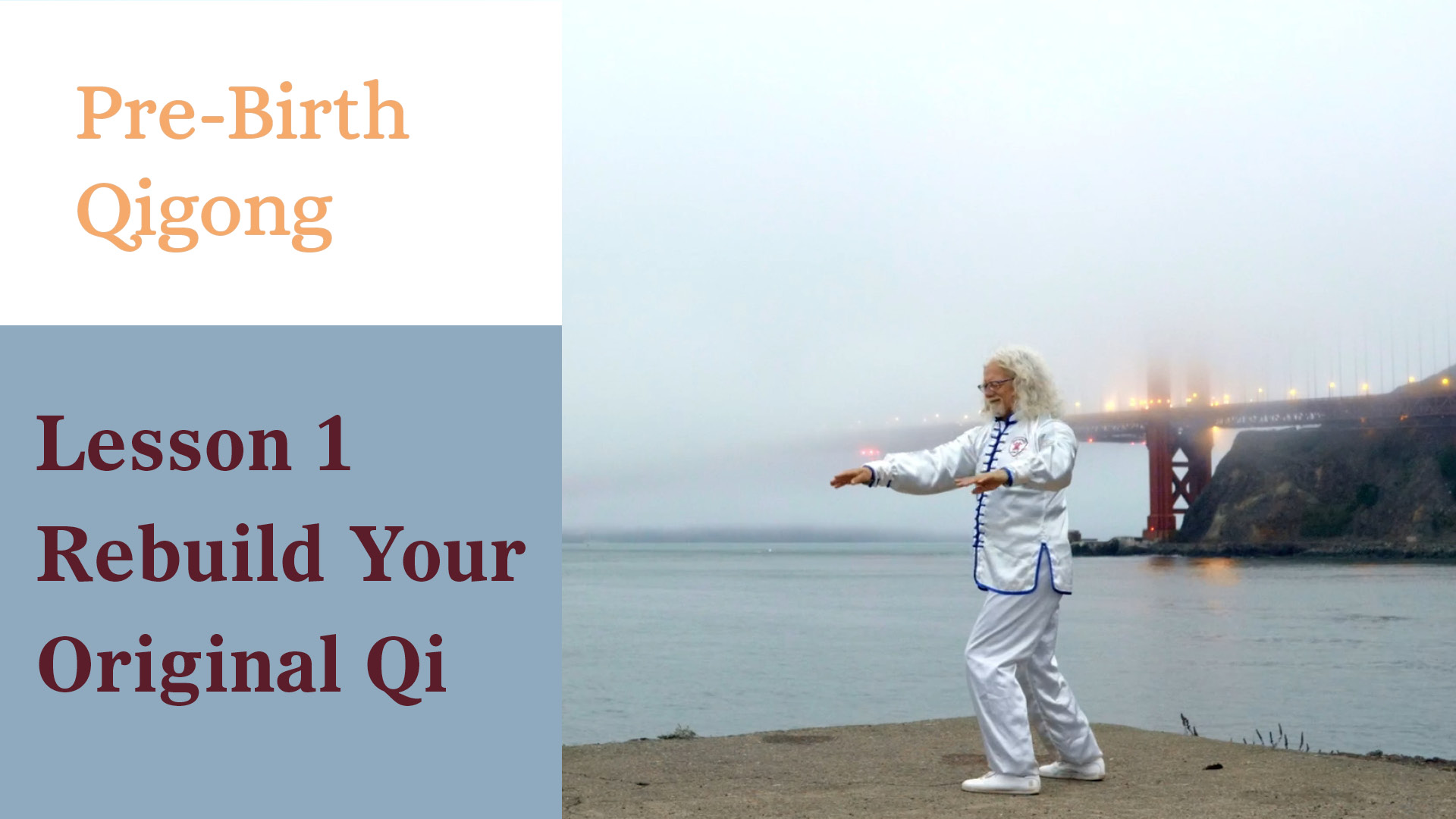
  • Pre-Birth Qigong — circular, rhythmic movements that support circulation, restore internal balance, and promote deep relaxation
  • Five Element Qigong — five foundational exercises that use posture, breath, and movement to support organ function and internal coordination
  • Standing Qigong — a foundational practice that develops posture, structural strength, and internal stability through stillness

These methods emphasize:

  • Smooth, continuous movement
  • Breath-led coordination
  • Structural alignment and joint health
  • Mental calm and internal awareness

Foundational Practices

In addition to formal methods, students develop essential foundational skills that support all Qigong training.

These practices refine the body and mind so that more advanced methods can be practiced effectively.

Training includes:

  • Standing practice — develops posture, structural alignment, and internal stability through stillness
  • Breath regulation — coordinates breathing with movement and supports internal balance
  • Coordinated movement training — integrates the body so it moves as a unified whole

These foundational elements are what allow the training to deepen over time.

Qigong and Tai Chi

Qigong and Tai Chi are closely related, but serve different roles within training.

  • Qigong develops internal qualities—breath, awareness, and internal energy
  • Tai Chi expresses those qualities through structured movement

Together, they form a complete system:

  • Qigong builds the internal foundation
  • Tai Chi refines coordination, structure, and application

Authentic Lineage. Experienced Instruction.

Qigong at 10,000 Victories is taught as part of a complete internal training system under the guidance of Sifu Scott Jensen.

With more than 40 years of experience in traditional Chinese martial arts, Sifu Jensen brings a depth of knowledge that integrates Qigong, Tai Chi, and internal conditioning methods into a cohesive practice.

His understanding of Qigong has also been shaped by personal experience.

After recovering from multiple serious injuries, he relied on structured internal training to rebuild alignment, restore circulation, and regain mobility. This experience continues to inform how Qigong is taught—prioritizing correct method, consistency, and long-term development over quick results.

Rather than presenting Qigong as a collection of exercises, instruction focuses on internal skill, structural integrity, and sustainable progress.

Students learn not only the movements, but the underlying principles that make the training effective.

This is not a casual drop-in class.

It is a structured path for those interested in developing real skill, improving health, and cultivating internal strength over time.

Who Trains With Us

Our Qigong students come from different backgrounds, but they often arrive for similar reasons.

Many have noticed the cost of years of stress, sitting, or physical strain — stiffness that doesn’t go away, energy that doesn’t fully return, a body that feels less reliable than it used to. They’re not looking for another high-intensity workout. They want something that actually restores.

Others are navigating recovery — from injury, illness, surgery, or simply a period of burnout that left them depleted. They need a practice that meets them where they are and builds them back up without adding strain.

Some carry a high mental load — professionals, caregivers, individuals under sustained pressure, the kind of fatigue that sleep doesn’t fully fix. They come for the calm and focus Qigong develops, and stay because the physical benefits become tangible over time.

What they have in common is this: they’re serious about their health and ready to commit to a practice that builds steadily over time.

No prior experience is required. Qigong is accessible from the beginning and continues to deepen with consistent training.

Sifu Jensen leading students doing Qigong in San Rafael class

Training in San Rafael

Qigong classes are offered as part of a structured weekly training schedule:

San Rafael Community Center
(618 B Street, San Rafael)

Monday & Wednesday — Yi Jin Jing Qigong (6:00–6:45pm)
A classical system focused on strength, structure, and internal development.

Suzie’s Studio
(425 Irwin Street, Suite B, San Rafael)

Sunday — Primordial Essence Qigong (10:00–11:00am)
Gentle, internally focused methods emphasizing recovery, circulation, and deep refinement.

Training is organized in consistent group sessions to support steady progress and development.

Begin Your Training

To learn more about Qigong and begin your training:

View Qigong Classes in San Rafael

View Class Schedule

Explore Tai Chi Training

Learn About Our Classical Systems Currently Being Offered 

Looking for remote study?

Visit our Online Training Library