
Northern Shaolin Kung Fu
History, Tradition & Philosophy
Shaolin Tradition | 10,000 Victories
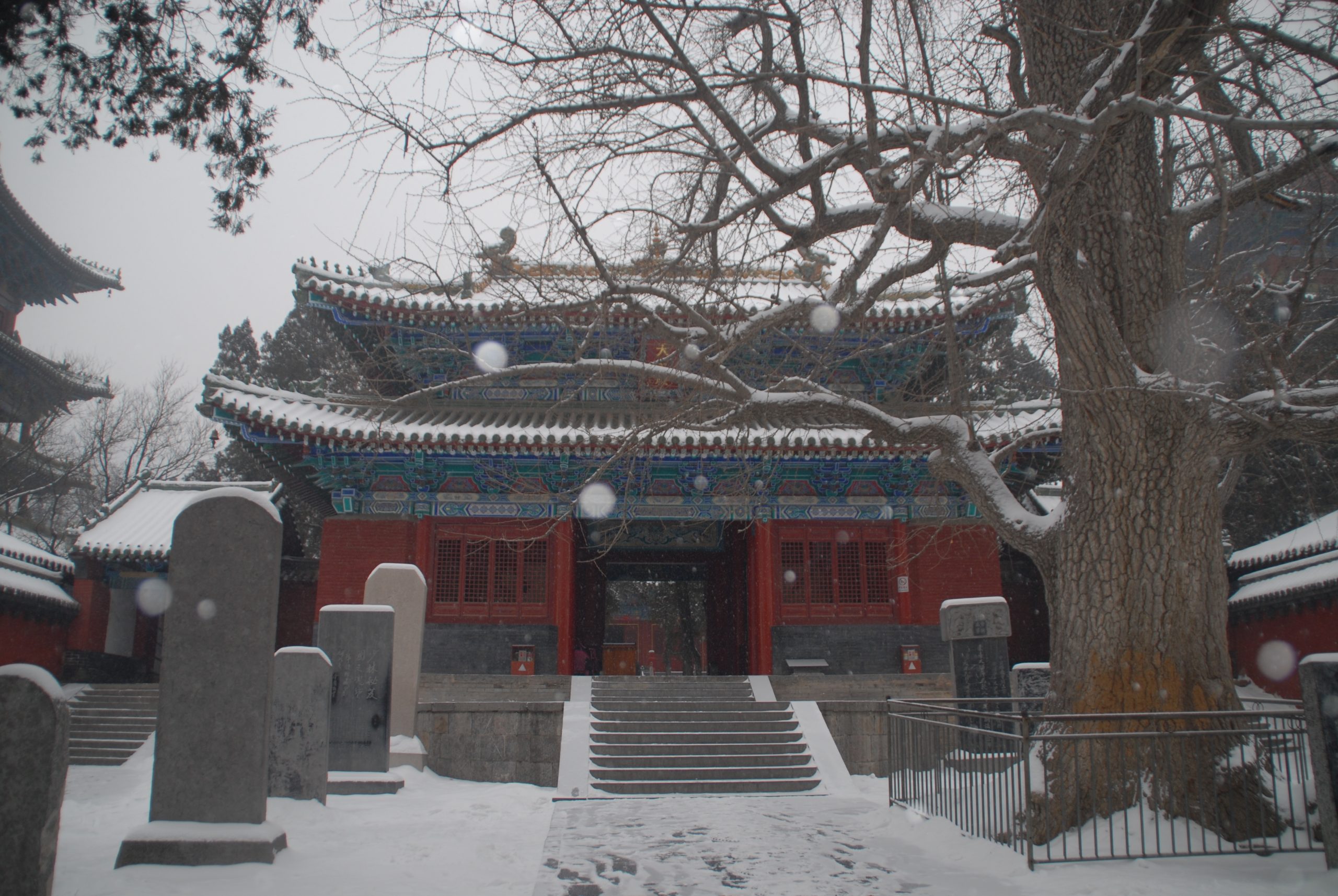
Shaolin Tradition | 10,000 Victories
One of the most important concepts in traditional Chinese martial arts is Wu De (pronounced woo-duh), often translated as martial virtue or martial ethics.
Wu De distinguishes the martial artist from the one who uses violence without principle. It represents the difference between honor and ignominy — between becoming a protector of others or a source of harm.
In the Northern Shaolin tradition, martial skill is always balanced with ethical responsibility. Students train to develop strength and the ability to defend themselves, but also the wisdom to avoid unnecessary conflict.
At 10,000 Victories, students learn to understand when and how martial skills should be used. Knowing how to avoid a fight is considered an essential skill of the martial artist.
The history of Shaolin martial arts spans many centuries and reflects the resilience of Chinese culture itself. Throughout wars, political upheaval, and social change, the teachings of Shaolin martial arts were preserved by dedicated practitioners who carried the knowledge forward from generation to generation.
The story of Northern Shaolin is therefore not only the story of a martial art, but also the story of how a tradition endured.
The origins of Northern Shaolin Kung Fu are closely connected with the history of the Shaolin Temple, one of the most influential centers of martial culture in China.
The Shaolin Temple was established during the Northern Wei Dynasty by Emperor Xiaowen. The temple was created as a center for Buddhist scholarship and for translating sacred texts from Sanskrit into Chinese.
Bodhidharma, the 28th patriarch of Buddhism, arrived from India and is said to have meditated for nine years facing a wall. He later taught the monks methods of Chan (Zen) meditation along with physical training practices that became associated with the Shaolin tradition.
During the Tang Dynasty, Emperor Li Shimin granted land and support to the Shaolin Temple. The temple became an important center of Buddhist learning and martial training.
During the Red Turban rebellions, the Shaolin Temple survived periods of political upheaval and continued its martial traditions.
During the fall of the Ming Dynasty, the Shaolin Temple was destroyed by rebel forces loyal to the new Qing rulers. Many monks were killed or scattered, and Shaolin martial traditions began spreading beyond the temple.
During the warlord period, the temple and its historic library were burned again. Much of the historical record of Shaolin martial arts was lost.
The Northern Shaolin Kung Fu tradition that survived these centuries of upheaval continues today through dedicated practice and teacher-to-student transmission.
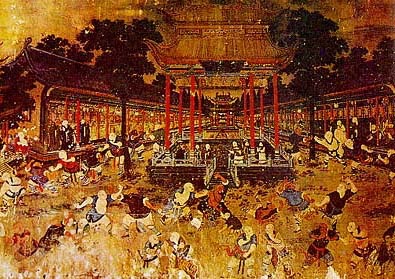
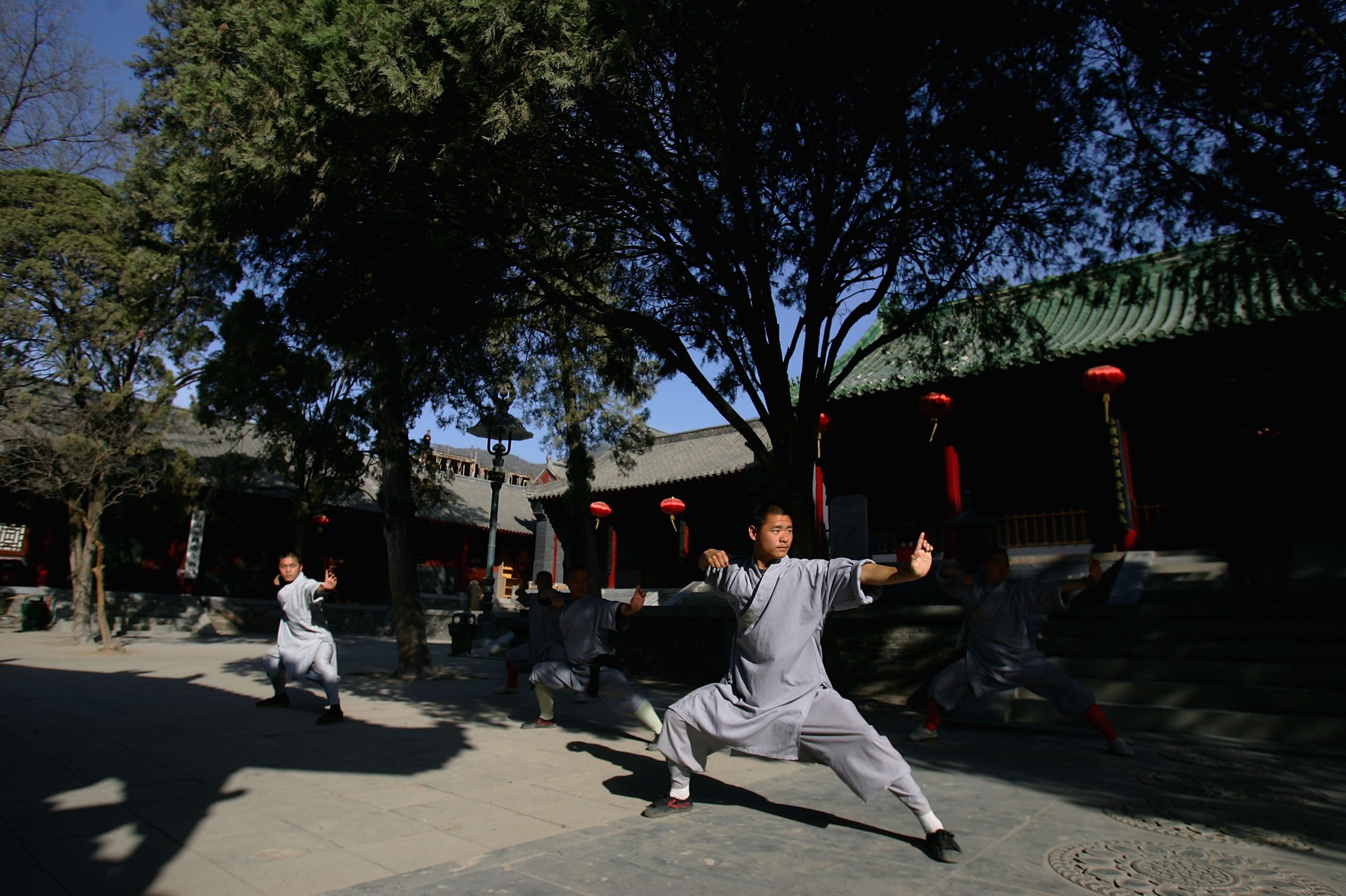
Despite these upheavals, the Northern Shaolin tradition continued through the efforts of masters who carried the system forward and taught the next generation.
In the early 20th century, Grandmaster Gu Yu Jeong publicly demonstrated and taught the Northern Shaolin system at the Central Guoshu Institute in China. Known for his formidable fighting ability and mastery of Iron Palm, he helped preserve the art during a turbulent period of Chinese history. Grandmaster Gu Yu Jeong was later recognized as one of the “Five Tigers of the North,” renowned martial artists who helped promote Chinese martial arts in the early twentieth century.
As political upheaval spread through China, Northern Shaolin was carried abroad by masters who emigrated. Among them was Grandmaster Wong Jackman, who established his school in San Francisco and brought the Northern Shaolin system to the United States.
In 1980, Scott Jensen began training under Grandmaster Wong Jackman in San Francisco and Oakland. Through decades of study and dedication, he became a lineage holder of the Northern Shaolin system within the Gu Ru Zhang – Wong Jackman tradition.
In 2006, he founded 10,000 Victories School of Kung Fu and Tai Chi, continuing the transmission of classical Chinese martial arts to new generations of students.
In 2018, Sifu Jensen graduated eleven Northern Shaolin black belt students in a ceremony held with the presence and blessings of Grandmaster Wong Jackman.

The name 10,000 Victories carries several traditional meanings.
In classical Chinese culture, the number ten thousand was often used to represent an unimaginably large or limitless number. In this sense, 10,000 Victories suggests infinite victories, symbolizing the long path of continuous growth and improvement in martial training.
Historically, “10,000 Victories” was also the name of a well-known escort and bodyguard company in ancient China. Such companies protected merchants transporting goods across great distances. Their reputation depended on skill, discipline, courage, and reliability.
The name therefore reflects both the martial spirit of protection and the long journey of mastery that defines classical martial arts training.
Through consistent practice, students become healthier, stronger, calmer, and wiser.
The practice of Classical Martial Arts develops both physical ability and character, reflecting the deeper purpose of traditional martial arts training.
For generations, martial artists have understood that mastery is built through thousands of hours of patient practice.
This deeper transformation represents the most meaningful victory of all.
10,000 Repetitions.
10,000 Refinements.
10,000 Victories.
→ What is Northern Shaolin Kung Fu
→ Explore Northern Shaolin Training and Benefits
→ Study the Northern Shaolin System and Curriculum